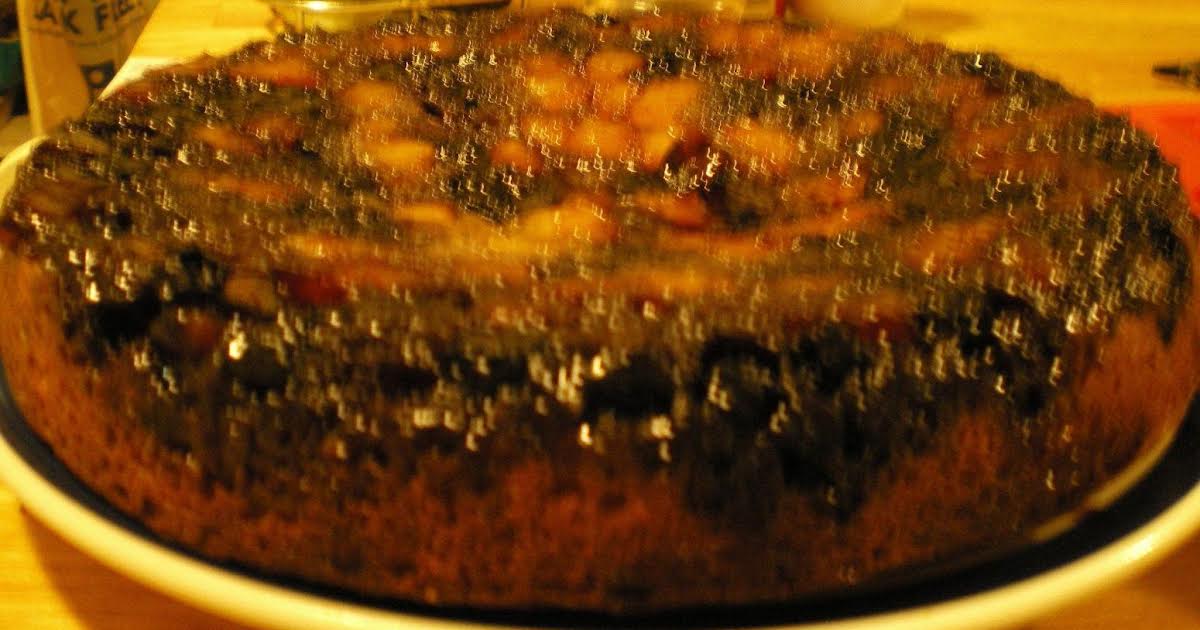
The humble upside-down cake holds a special place in the hearts of home bakers. Its dramatic flip, revealing a glossy, caramelized fruit topping and a tender cake beneath, is nothing short of pure kitchen magic. But how do you achieve that perfect reveal every single time, without the fruit sticking or the cake turning soggy? The secret lies in a few foolproof techniques, applicable whether you're crafting a vibrant blueberry or a sun-kissed pineapple delight. This guide will walk you through mastering the art of a show-stopping blueberry pineapple upside down cake, ensuring every slice is sheer perfection.
The Foundation of a Flawless Flip: Mastering the Fruit Layer
The success of any upside-down cake hinges on its gorgeous fruit crown. This starts with the caramelized base, a rich concoction of melted butter and brown sugar that provides both flavor and the crucial non-stick surface. To begin your journey to a magnificent Blueberry vs. Pineapple Upside Down Cake: Juicier, Easier Flip, you'll want to generously coat your 9-inch round cake pan with nonstick spray, paying special attention to the corners. This simple step is your first line of defense against sticking.
Next, melt a good quality butter with brown sugar, either directly in the cake pan over low heat or in a small saucepan, then pour and spread it evenly over the bottom. This creates a glossy, sandy-looking layer that will transform into a luscious caramel during baking.
Perfecting Your Fruit Arrangement: Blueberry vs. Pineapple
- For the Blueberry Enthusiast: Once your caramel base is ready, scatter your blueberries in an even blanket over it. Whether you're using fresh or slightly softer berries, aim for a thick, uniform layer. Don't be shy about nudging any rogue berries back to the center – an even distribution ensures every slice gets a burst of juicy fruit. The beauty of blueberries is their natural moisture, which, when handled correctly, ensures a juicy topping without making the cake soggy.
- For the Pineapple Purist: If you're opting for pineapple, arrange rings neatly over the caramel, or scatter well-drained chunks for a different texture. The key with pineapple, especially from a can, is to ensure it's thoroughly drained to prevent excess moisture from compromising your cake's texture.
Regardless of your fruit choice, this base layer is where the magic begins, setting the stage for a dramatic, clean release and an incredibly flavorful topping.
Crafting the Perfect Crumb: The Secret to a Tender Cake
Beneath that stunning fruit topping lies the cake itself – and it needs to be light, buttery, and sturdy enough to support the fruit without collapsing. Our foolproof method ensures a tender, almost sponge-like crumb every time, whether for a blueberry or a pineapple upside-down cake.
The Art of the Batter: Ingredients and Technique
- Creaming for Air: Start by creaming softened butter with granulated sugar until the mixture is pale and fluffy. This step is vital for incorporating air into the batter, which contributes to a light texture.
- Egg Yolks and Flavor: Beat in egg yolks one at a time, ensuring each is fully incorporated before adding the next. This enriches the batter and adds moisture. Then, stir in your chosen flavorings like vanilla bean paste or extract. For a blueberry cake, a hint of lemon zest (as found in many tender blueberry recipes) can elevate the flavor beautifully.
- Dry Ingredients Done Right: In a separate bowl, whisk together your all-purpose flour, baking powder, and a pinch of salt. This ensures the leavening is evenly distributed, leading to a consistent rise.
- Alternating Wet and Dry: Here's a crucial step: add the dry ingredients to the butter mixture in two or three additions, alternating with milk. Begin and end with the flour. Mix on low speed and, most importantly, stop mixing as soon as the last streak of flour disappears. Overmixing develops gluten, which can lead to a dense, tough cake instead of the desired tender crumb.
- The Whipped Egg White Advantage: For an exceptionally light and tender cake that can truly handle its fruit load, whip your egg whites in a clean, separate bowl until they form soft peaks. Gently fold these whipped whites into your finished batter. This technique, a hallmark of professionally tested recipes, infuses the batter with air, creating a structure that is both delicate and strong enough to prevent the cake from collapsing under the weight of the fruit. This is what gives the cake its almost sponge-like quality, making it less heavy than traditional butter cakes.
By following these steps, you're building a robust yet delicate cake batter, perfectly poised to embrace its fruity crown. Many bakers, after years of making traditional versions, discover the unique vibrancy of blueberry, as explored in Beyond Pineapple: Discover the Best Blueberry Upside Down Cake, but the core batter logic remains the same for both.
The Moment of Truth: Baking and the Grand Inversion
The baking and inversion process is where your careful preparation culminates in that show-stopping reveal. Getting this right means understanding your oven and timing your flip precisely.
Baking to Perfection
Preheat your oven to 350°F (175°C). Pour your prepared cake batter gently over the fruit layer, using an offset spatula to spread it evenly. A slightly thick batter, which this recipe yields, is intentional. It makes it easier to spread without the berries floating up or streaking into the crumb, ensuring a clean separation between cake and fruit.
Bake the cake until the top is golden brown and a toothpick inserted into the center comes out clean. While recipes provide approximate bake times, always rely on these visual and tactile cues. Ovens can run hot or cool, so trusting your instincts, guided by these signs, will keep you on track. Whether you use a light metal or dark nonstick pan, the principles remain the same; dark pans may bake slightly faster, so adjust accordingly.
The Grand Inversion: A Confident Flip
This is arguably the most anticipated step, and it requires a bit of timing and confidence. Once the cake is out of the oven, let it cool in the pan on a wire rack for precisely 10-15 minutes. This cooling period is critical: it allows the fruit topping to set slightly, yet the caramelized syrup remains just warm and loose enough to release cleanly from the pan. If you flip too soon, the syrup might be too liquid, making a mess; too late, and the caramel could harden, gluing the cake to the pan.
To invert, place a serving plate (one with a slight rim is ideal to catch any errant syrup) upside-down over the cake pan. With oven mitts protecting your hands, firmly grasp both the plate and the pan together, and with a swift, confident motion, flip them over. Gently lift the pan away to reveal your perfectly inverted blueberry pineapple upside down cake. If any fruit or caramel sticks, you can often carefully coax it off the bottom of the pan with a small spatula and place it back onto the cake.
Flavor Innovations and Variations
While the classic blueberry and pineapple versions are beloved, the beauty of an upside-down cake is its versatility. Once you've mastered the foolproof techniques, you can experiment with a myriad of flavors.
- Blueberry Enhancements: Add a teaspoon of ground cinnamon or a touch of almond extract to the batter for a deeper flavor profile. A splash of fresh lemon juice in the blueberry layer can brighten the overall taste.
- Pineapple Pairings: Consider a hint of rum or coconut extract in the batter for a tropical twist with pineapple. A sprinkle of grated ginger can add a wonderful warmth.
- Beyond Single Fruits: Don't limit yourself to just one! You can create a truly unique blueberry pineapple upside down cake by artfully arranging both fruits in the same pan. Perhaps half blueberry, half pineapple, or even small alternating clusters. Just ensure the moisture content is balanced, leaning on well-drained pineapple and not-too-soggy blueberries.
These cakes are designed for real home kitchens, using pantry basics and standard equipment. The same dependable cake logic applies whether you're making a simple berry snack cake or an elaborate fruit masterpiece, making it a reliable choice for any occasion.
Conclusion
Mastering the art of the upside-down cake is incredibly rewarding, and with these foolproof techniques, you're well on your way to baking perfection. From the glistening caramelized fruit base to the tender, buttery crumb and the dramatic, clean flip, every step is designed to ensure success. Embrace the process, trust the timing, and soon you'll be delighting friends and family with your impeccable blueberry pineapple upside down cake, a testament to simple ingredients transformed into an extraordinary dessert.
