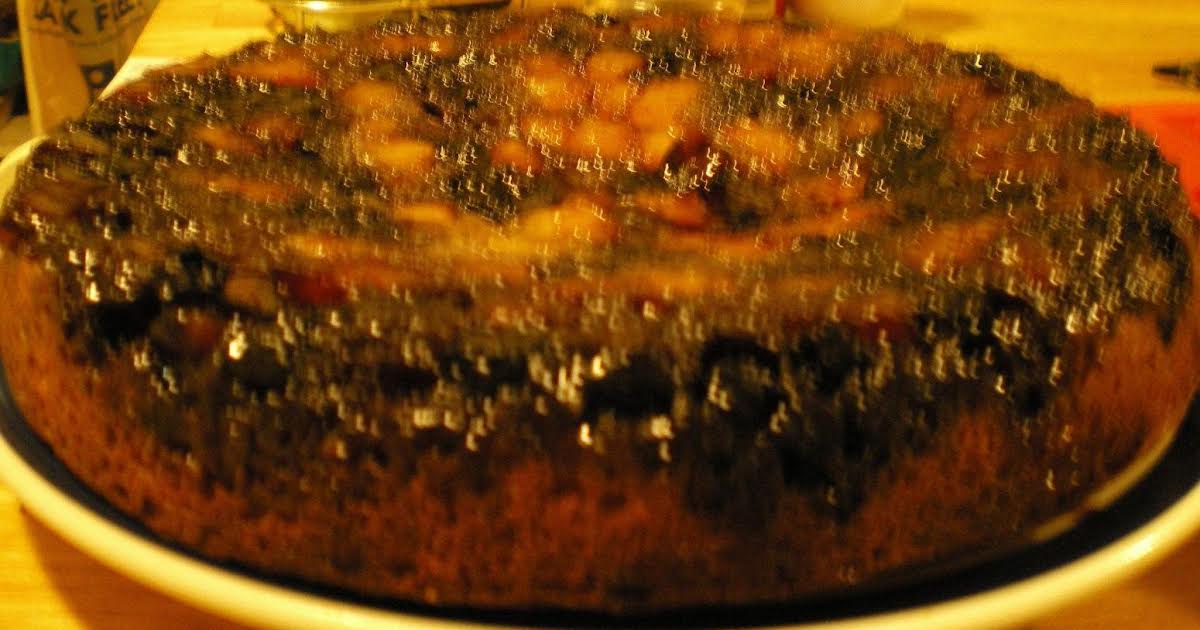
Blueberry vs. Pineapple Upside Down Cake: Juicier, Easier Flip
The allure of an upside down cake is undeniable. That dramatic reveal, the glistening fruit crown, and the promise of a tender, buttery crumb underneath make it a showstopper dessert. While the classic pineapple version holds a cherished place in many hearts, a vibrant contender has emerged, offering a fresh twist on tradition: the blueberry upside down cake. But when it comes to delivering on juiciness and a foolproof flip, how do these two iconic desserts compare? Let's delve into the delicious details and discover which might claim the crown in the great blueberry pineapple upside down cake debate.
The Enduring Charm of Upside Down Cakes: A Sweet Legacy
Upside down cakes have captivated home bakers for generations, and for good reason. Their origins trace back to cast iron skillet cakes, where fruit was placed at the bottom, topped with batter, and then inverted to reveal a beautifully caramelized topping. This clever technique not only creates a stunning visual, but also infuses the cake with the rich, sweet-tart flavors of the fruit and its caramelized syrup. The pineapple upside down cake, with its iconic rings and maraschino cherry centers, became a sensation in the mid-20th century, cementing its status as a beloved retro dessert. However, the versatility of the format allows for endless fruit possibilities, and the blueberry version brings a new level of freshness and textural excitement to this sweet legacy.
Blueberry Upside Down Cake: A Deep Dive into Juiciness and Texture
When it comes to pure, unadulterated juiciness, the blueberry upside down cake makes a strong case. Imagine biting into a slice where every spoonful is punctuated by the burst of warm, sweet-tart blueberries, their natural juices mingling with a rich, buttery caramel. This isn't just surface-level moisture; it's an integrated juiciness that permeates the cake itself.
The Secret to Blueberry Juiciness and a Clean Flip
- Bursting Berries: As blueberries bake, their skins soften and burst, releasing pectin-rich juices that create a luscious, syrupy layer. This natural pectin helps to thicken the fruit layer slightly, preventing it from becoming watery or making the cake soggy. The result is a vibrant, deeply flavored fruit crown that is both juicy and cohesive.
- Robust Yet Tender Crumb: The best blueberry upside down cake recipes are engineered for success. They often feature a sturdy yet remarkably light and tender crumb, sometimes achieved by folding in whipped egg whites at the end. This structure is paramount; it allows the cake to fully support the weight and moisture of the abundant blueberry topping without collapsing. It bakes up strong enough to hold all that fruit, yet tastes light and buttery, not heavy or dense. This balance is key to both supporting the juicy fruit and ensuring a clean release from the pan.
- Strategic Batter Consistency: A thick cake batter, designed to be spread over the berries, plays a crucial role. This purposeful thickness prevents the blueberries from floating up into the cake or streaking the crumb, ensuring they remain nestled perfectly in their caramelized base.
- The Art of Inverting: The timing for flipping a blueberry upside down cake is critical. The cake needs to cool just enough—typically 10-15 minutes—for the fruit layer to begin setting, but the caramelized syrup must still be warm and loose enough to release its hold on the pan. This careful timing ensures that dramatic, clean flip, rather than a frustrating situation where fruit gets glued to the bottom.
Furthermore, a well-crafted blueberry cake offers incredible flavor versatility. While the core vanilla-lemon profile is delightful, optional additions like a hint of cinnamon or almond extract can elevate the taste, providing a unique twist on the traditional. For those interested in mastering this specific technique, Beyond Pineapple: Discover the Best Blueberry Upside Down Cake offers invaluable insights.
Pineapple Upside Down Cake: The Classic Contender's Strengths
The pineapple upside down cake remains a beloved classic for good reason. Its tropical tang and satisfyingly sweet caramel base have delighted palates for decades.
Juiciness and Reliability in the Pineapple Classic
- Consistent Juiciness: Pineapple, whether fresh or canned, brings an inherent juiciness that holds up beautifully during baking. The rings often nestle into the brown sugar-butter mixture, allowing their juices to meld and create a rich, syrupy glaze that complements the cake's sweetness. The distinct fibrous texture of pineapple also offers a different mouthfeel compared to the softer, bursting blueberries.
- Defined Structure, Reliable Flip: One of the advantages of pineapple, particularly when using canned rings, is its firm and defined structure. These rings maintain their shape remarkably well, creating a very clean, attractive pattern when inverted. This inherent structure can make the flip feel incredibly reliable, provided the pan preparation and cooling steps are followed correctly. The same dependable cake logic that ensures a great blueberry version applies here, meaning a well-tested recipe will consistently behave the same way.
- Familiar Comfort: For many, the pineapple upside down cake evokes a sense of nostalgia and comfort. Its straightforward assembly and universally loved flavor profile make it a go-to dessert for family gatherings and celebrations.
While both cakes rely on a similar foundational logic – a rich caramel base, a sturdy yet tender cake batter, and careful handling – the texture and interaction of the fruit with the cake differ significantly. The pineapple offers a more distinct, separate fruit layer, while the blueberry integrates its juiciness throughout the cake.
Mastering the Flip: Tips for a Seamless Upside Down Cake Experience
Whether you lean towards the bursting goodness of blueberry or the tropical charm of pineapple, mastering the flip is the ultimate goal. Here are essential tips that apply equally to both the blueberry pineapple upside down cake family:
- Generous Pan Preparation is Key: Begin with a well-prepped pan. A generous coat of nonstick spray, ensuring every corner and crevice is covered, is non-negotiable. Some bakers prefer dark nonstick pans for their even heat distribution, while others find success with lighter metal pans. The key is proper greasing.
- The Perfect Caramel Base: Melt your butter and brown sugar directly in the pan over low heat or in a small saucepan, then pour and spread it evenly over the bottom. You want a glossy, sandy-looking layer that will caramelize beautifully and aid in release.
- Thoughtful Fruit Arrangement: For blueberries, scatter them in an even blanket, nudging any stray berries back to the center for a thick, uniform layer. For pineapple, arrange the rings neatly, ensuring an attractive pattern that will be revealed.
- Thick Batter for Stability: A thick cake batter is your friend. This consistency is crucial for preventing fruit from floating up or streaking into the crumb, guaranteeing your fruit layer stays exactly where it should be. Mix only until the last streak of flour disappears to avoid developing too much gluten, which can lead to a dense cake.
- Mindful Baking: Pay attention to visual cues. A golden-brown top and a toothpick that comes out clean from the center are reliable indicators of doneness, even if your exact bake time varies.
- The Critical Cooling & Inverting Step: This is where many home bakers falter. Let the cake cool in the pan for only 10-15 minutes. This allows the fruit and caramel to set slightly, but the syrup remains warm and loose enough to release its grip on the pan. Place your serving plate upside down over the cake pan, then with a confident, swift motion, invert the cake. If any fruit sticks, gently coax it onto the cake. For comprehensive guidance on achieving this, consult Foolproof Upside Down Cake: Master Blueberry & Pineapple Perfection.
Conclusion
Ultimately, both blueberry and pineapple upside down cakes offer a delightful experience, each with its unique charm. The blueberry version excels in creating a deeply integrated juiciness with soft, bursting pockets of fruit and a vibrant, fresh flavor profile that can feel a bit more modern. Its robust yet tender crumb is specifically designed to handle the generous fruit topping, leading to a consistently clean flip. The pineapple cake, on the other hand, provides a comforting classic, with its distinct tropical tang and visually striking, reliably firm fruit slices. When considering a blueberry pineapple upside down cake, it's clear that with a well-engineered recipe and careful attention to the critical cooling and inverting steps, both varieties promise a juicy, delicious, and perfectly flipped dessert. Why choose just one when you can master the art of both?
